
Feature flags are a critical component of modern software development. They allow teams to release new functionality gradually, test features with selected user groups, reduce deployment risks, and quickly address issues as they arise. Rather than tying feature releases directly to application deployments, feature flags add flexibility and control.
LaunchDarkly is one of the most recognized feature management platforms. However, some organizations require greater control over their infrastructure and data than a fully managed SaaS solution provides. As a result, developers, startups, and enterprises are exploring self hosted alternatives that offer similar functionality while allowing them to manage the underlying environment directly.
This guide examines several top self hosted alternatives to LaunchDarkly, outlines key features to consider, and discusses the benefits and challenges of running your own feature management platform.
Why Look for LaunchDarkly Self Hosted Alternatives?

LaunchDarkly delivers extensive functionality, but it may not meet the needs of every organization. Depending on operational requirements, compliance obligations, and budget considerations, a self hosted platform might be a better fit.
Organizations often pursue self hosted solutions to gain enhanced deployment flexibility and greater control over infrastructure. Key factors include:
Data Control and Ownership
Organizations that manage sensitive information may prefer to keep feature flag data, user targeting details, and configurations within their own infrastructure. A self hosted deployment gives direct oversight of data storage, access, and management.
Compliance and Regulatory Requirements
Industries like healthcare, finance, and government operate under strict data handling and system access regulations. Self hosted solutions can simplify compliance by ensuring that data and security policies remain entirely under an organization’s control.
Infrastructure Flexibility
Managed platforms may impose limitations on deployment models and integrations. In contrast, self hosted alternatives allow teams to customize their environments, integrate with internal systems, and align deployments with existing operational practices.
Cost Considerations at Scale
As an organization grows, the use of feature flags can expand considerably. For large-scale deployments, self hosted solutions may yield more predictable costs compared to usage-based SaaS pricing models. For additional insights on controlling costs while maintaining full control, refer to the DIY Unmanaged VPS: Control & Cost Savings Guide.
Internal Deployment Requirements
Some companies have policies that favor internally managed services. For these organizations, self hosted feature management platforms align naturally with existing infrastructure strategies. For additional guidance, explore our Self Hosted Wiki: Setup, Management & Benefits.
What to Look for in a Self Hosted Feature Flag Platform
Not all feature management solutions are built alike. When evaluating options, consider both your current needs and future scalability requirements. Key features include:
- Feature Flag Management: The ability to create, organize, and maintain feature flags efficiently.
- User Targeting and Segmentation: Support for enabling features for specific users, groups, or environments.
- Rollout Controls: Capabilities such as gradual rollouts, percentage-based deployments, and release scheduling.
- Audit Logging: Detailed records of changes, updates, and administrative actions.
- API Availability: Integration options for automation and development workflows.
- SDK Support: Compatibility with the programming languages and frameworks in use by your organization.
- Security Features: Mechanisms for authentication, authorization, and access control.
- Scalability and Performance: The platform must handle increasing traffic and feature evaluation workloads.
Best LaunchDarkly Self Hosted Alternatives
Below is an overview of several recommended alternatives:
Flagsmith
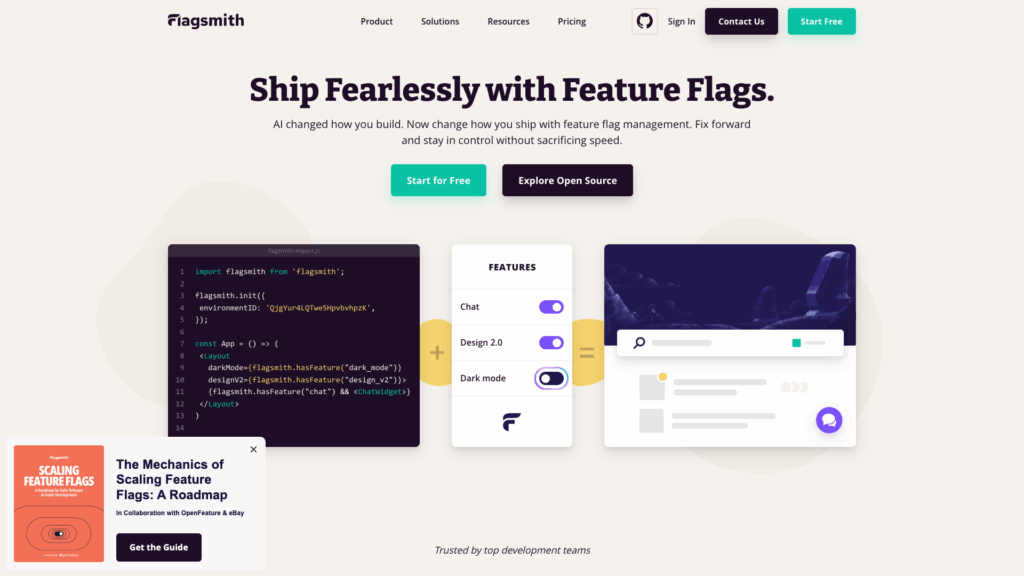
Flagsmith is among the most popular choices. It supports both hosted and self hosted deployments, appealing to organizations that need deployment flexibility. The platform offers core features such as feature flags, remote configuration, user segmentation, role-based access control, and analytics. With SDK support for many programming languages and frameworks, Flagsmith positions itself as a solid option for comprehensive feature management.
Unleash
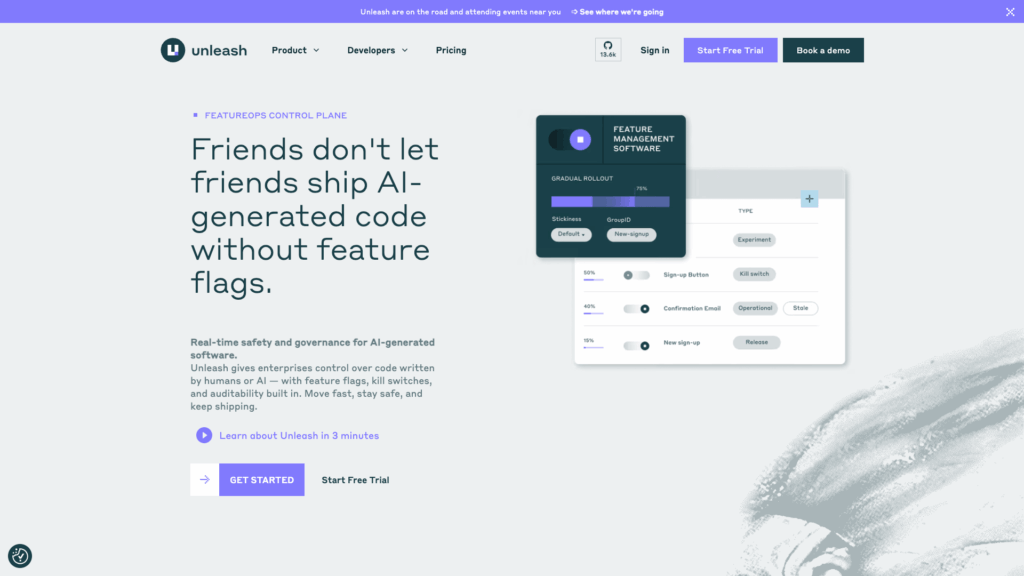
Unleash is an open source feature management platform that has seen broad adoption. It emphasizes flexibility, scalability, and self hosted deployments while offering advanced rollout strategies, user targeting capabilities, and extensive integration options. Its mature open source ecosystem and active community support make it a strong contender for those seeking an alternative to LaunchDarkly with complete control.
GrowthBook
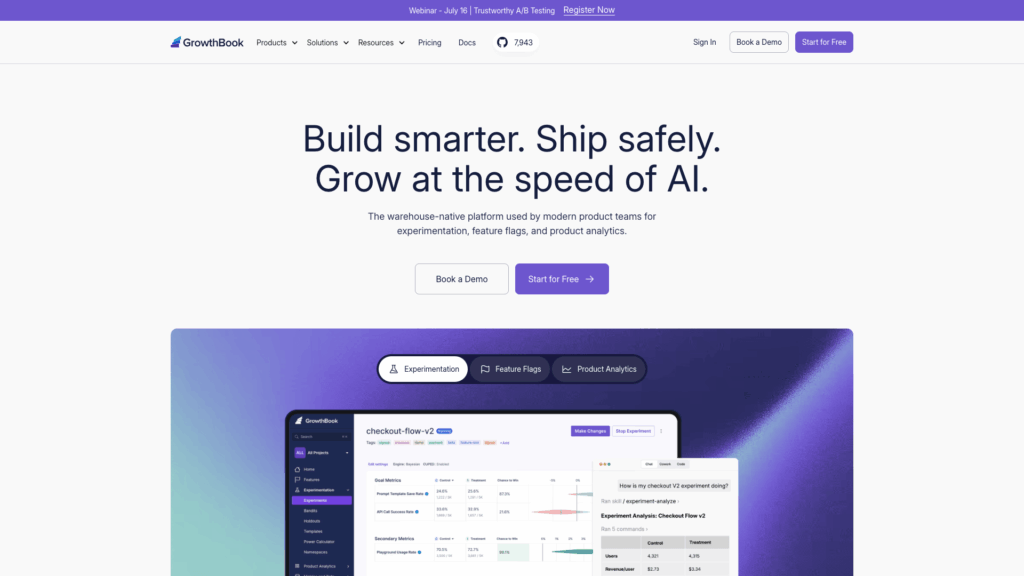
GrowthBook integrates feature management with experimentation and A/B testing. In addition to standard feature flag controls, it enables teams to run experiments, analyze outcomes, and make data-driven decisions. Organizations that prioritize experimentation in product development often find GrowthBook to be a compelling choice.
Flipt
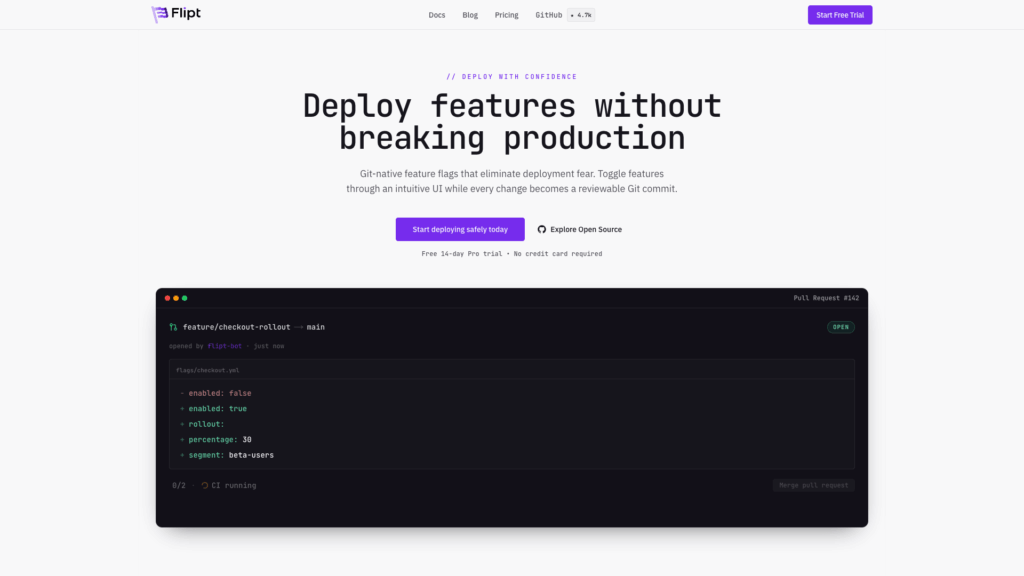
Flipt is a lightweight open source solution designed for straightforward feature flag management. By focusing on core functionalities without added complexity, Flipt is easy to deploy and maintain, making it particularly attractive for smaller teams or simpler use cases.
FeatBit
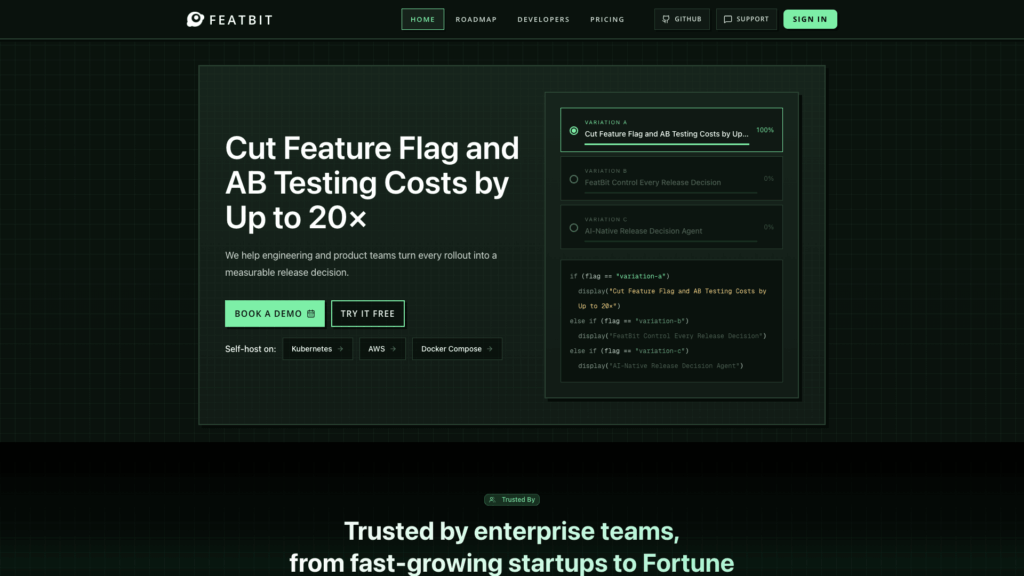
FeatBit supports self hosted deployments while offering a balanced mix of usability and advanced feature management capabilities. With features such as progressive rollouts, detailed targeting, and collaboration tools, FeatBit is well suited for organizations looking to manage feature flags internally.
OpenFeature With Compatible Backends
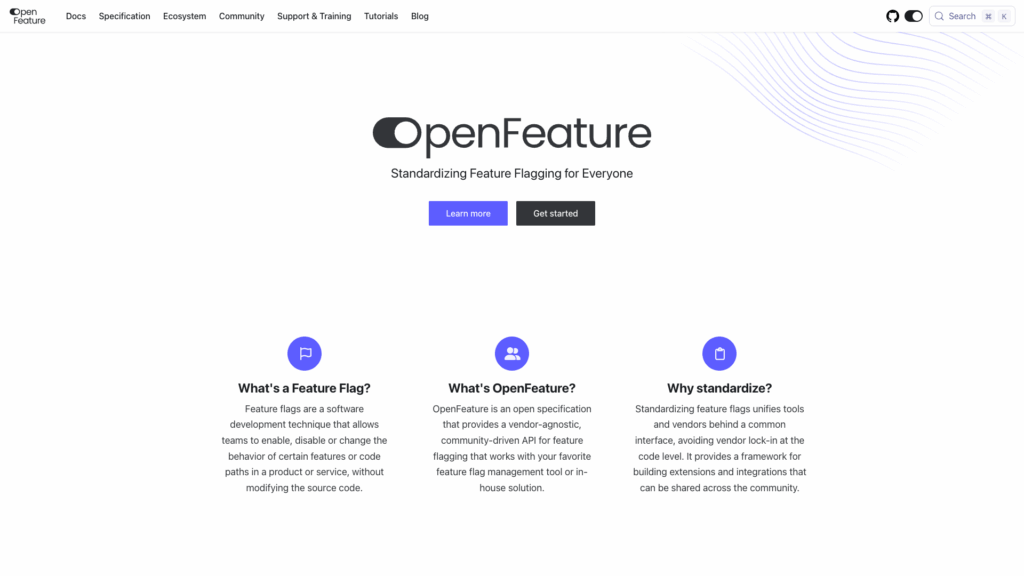
OpenFeature offers a standardized API specification for feature flagging rather than functioning as a complete platform. By integrating OpenFeature with compatible backends, organizations can create portable feature management systems that reduce vendor lock-in and simplify multi-environment integrations.
LaunchDarkly Alternatives Compared
Rather than simply comparing feature lists, organizations should consider how each platform meshes with existing development workflows, operational requirements, and long-term infrastructure goals.
- For Teams Focused on Open Source: Unleash and Flipt provide comprehensive feature flag capabilities with transparent, community-driven development, ideal for self hosted setups.
- For Product Teams Incorporating Experiments: GrowthBook stands out for its A/B testing and experimentation features, which help drive data-informed decisions.
- For Organizations Seeking a Similar Experience to LaunchDarkly: Flagsmith offers broad feature management along with user targeting and role-based access in a self hosted format.
- For Smaller Development Teams: Flipt offers a straightforward, easy-to-manage solution without unnecessary complexity.
- For Organizations Building Flexible Architectures: OpenFeature’s standardized framework minimizes dependency on a single vendor, favoring portability across varied environments.
Self Hosted vs SaaS Feature Flag Platforms

Deciding between self hosted and SaaS solutions involves looking beyond individual features to assess operational responsibilities, security needs, and long-term costs.
Benefits of Self Hosted Deployments
Self hosted environments grant complete oversight over infrastructure, data management, and security policies. They allow for custom deployments, direct integration with internal systems, and full ownership of operational processes.
Benefits of SaaS Platforms
SaaS platforms reduce operational burdens by managing infrastructure, updates, and monitoring. This allows development teams to concentrate on building applications rather than handling platform administration.
Security Considerations
Both deployment models can achieve high levels of security when implemented correctly. The difference lies in responsibility: self hosted options require organizations to handle security, while SaaS providers take care of much of the underlying safeguards.
Operational Responsibilities
A self hosted platform demands ongoing maintenance, updates, backups, and troubleshooting. Organizations should ensure they have the necessary expertise and resources before choosing this option.
Long-Term Cost Considerations
Expenses related to infrastructure, staffing, and licensing all factor into the total cost of ownership. Evaluating both short-term and long-term investments is key to making an informed decision.
Common Challenges With Self Hosted Feature Management
While self hosted deployments offer significant advantages, they also bring added responsibilities:
- Infrastructure Maintenance: Continuous management of servers, databases, and operating systems is required to ensure reliability and security.
- High Availability Requirements: Feature management systems are critical in production, and thus must be designed with redundancy and resilience in mind.
- Scaling Feature Evaluations: As traffic and usage increase, the system must be capable of handling greater workloads.
- Monitoring and Observability: Effective monitoring tools are essential for tracking application performance, feature evaluations, and overall system health.
- Security Management: Ongoing tasks include managing authentication, authorization, patching, and vulnerability mitigation.
Choosing the Right LaunchDarkly Alternative

The ideal platform depends on your organization’s technical requirements, operational practices, and long-term goals. Consider the following guidance:
- Choose Flagsmith if: You need a mature platform that offers strong feature management along with deployment flexibility.
- Choose Unleash if: Open source software and extensive customization are your primary considerations.
- Choose GrowthBook if: Experimentation and A/B testing are integral to your product development strategy.
- Choose Flipt if: Simplicity and ease of deployment are essential for your team.
- Choose FeatBit if: You want a balance between advanced functionality and ease of use.
- Choose OpenFeature if: A standardized, vendor-neutral framework is important for maintaining portability.
Conclusion
Feature management is essential for ensuring safe and efficient feature releases. While LaunchDarkly remains a popular solution, many organizations opt for self hosted alternatives to maintain full control over their infrastructure and data. Each platform—from Flagsmith and Unleash to GrowthBook, Flipt, FeatBit, and OpenFeature—offers unique strengths that align with different operational needs.
If you’re planning to implement a self hosted feature management solution, consider the infrastructure that underpins it. For example, VPSus offers the KVM8-US VPS plan featuring 8 Ultra vCores, 8 GB ECC RAM, 80 GB NVMe storage, and a 1 Gbps dual-link unmetered network connection. This VPS solution can provide the performance and reliability needed for production-grade self hosted environments.
Frequently Asked Questions
What makes self hosted feature flag platforms a viable alternative to LaunchDarkly?
Which self hosted platform is best for teams focusing on open source?
How do self hosted solutions help with compliance requirements?
What are the challenges of a self hosted deployment?