
Managing links may seem like a simple task, but for many businesses, marketers, and developers, it quickly becomes more than simply shortening URLs. A self hosted link shortener gives you full control over your URLs, analytics, and infrastructure, enabling you to build custom solutions that meet your specific needs.
Why Businesses Are Moving Toward Self Hosted Link Management
Organizations are increasingly hosting critical services on their own to maintain control over data and operations. Key drivers include:
- Ownership of analytics and visitor data
- Enhanced privacy and compliance control
- Protection from sudden pricing changes
- Improved branding with custom domains
- Long-term control over links and redirects
- Flexibility to customize workflows and integrations
Many businesses see a self hosted link shortener as a long-term investment rather than just a convenience tool. Losing control over important links can create operational challenges, especially when links are integral to advertising campaigns, customer communications, or affiliate programs.
Common Use Cases for Self Hosted Link Management

Self hosted link management can serve a wide range of purposes. Below are several dedicated sections outlining specific use cases:
Marketing Campaign Tracking
Marketing teams often generate hundreds or thousands of links for social media, email campaigns, paid advertising, and content marketing. A self hosted platform allows you to track link engagement while keeping full ownership of your data.
Affiliate Link Management
Affiliate marketers depend on redirects for tracking commissions. Running a self hosted link shortener minimizes reliance on third-party solutions that may change policies or pricing unexpectedly.
Internal Resource Sharing
Organizations can use shortened URLs to simplify access to documentation, knowledge bases, and employee resources. For further insights on self hosted environments, check out Self Hosted Wiki: Setup, Management & Benefits for expanding control over your digital knowledge base.
Social Media and Influencer Campaigns
Branded short links maintain a professional appearance and boost audience trust, making them ideal for social media and influencer campaigns.
QR Code-Based Marketing
For campaigns relying on QR codes, a self hosted link shortener means destination URLs remain entirely under your control. This reliability is crucial for long-running campaigns.
What You Need to Run a Self Hosted Link Management Platform
Deploying a self hosted link management solution requires careful planning. Key infrastructure components include:
Domain Name and Branded URLs
Using a dedicated domain or subdomain improves brand recognition and professionalism when links are shared publicly.
VPS or Dedicated Server
Although the software’s resource needs are modest, a reliable hosting environment is essential. A VPS is typically sufficient for small to medium deployments. For enhanced performance, you may also consider options like Docker VPS Hosting: How to Run Containers Efficiently on Your Own Server.
Database Requirements
Self hosted platforms store link data, user accounts, and analytics in a database that must scale with increasing usage and traffic over time.
SSL Certificates and Security
SSL certificates secure links and protect visitors from security warnings.
Backups and Monitoring
Regular backups and monitoring help prevent outages, data loss, or disruptions over the long life cycle of shortened URLs.
Popular Self Hosted Link Management Tools

Several mature open source solutions are available for managing your own URL infrastructure. Using an open source link shortener allows you to inspect, customize, and control your platform. Popular options include:
YOURLS
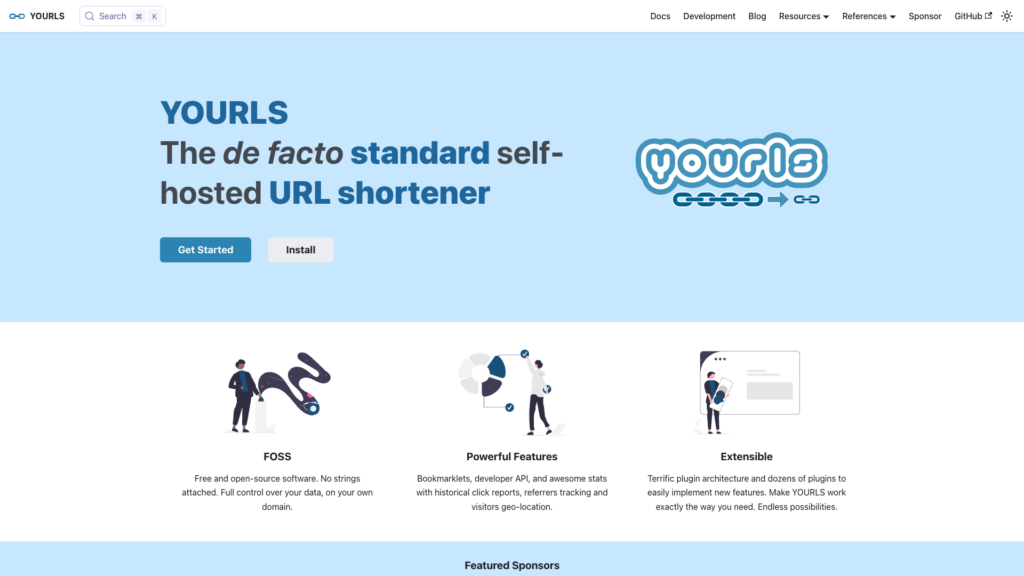
YOURLS is a longstanding, reliable platform offering custom URLs, API support, analytics, and an extensive plugin ecosystem, making it a trusted choice among developers and businesses.
Kutt
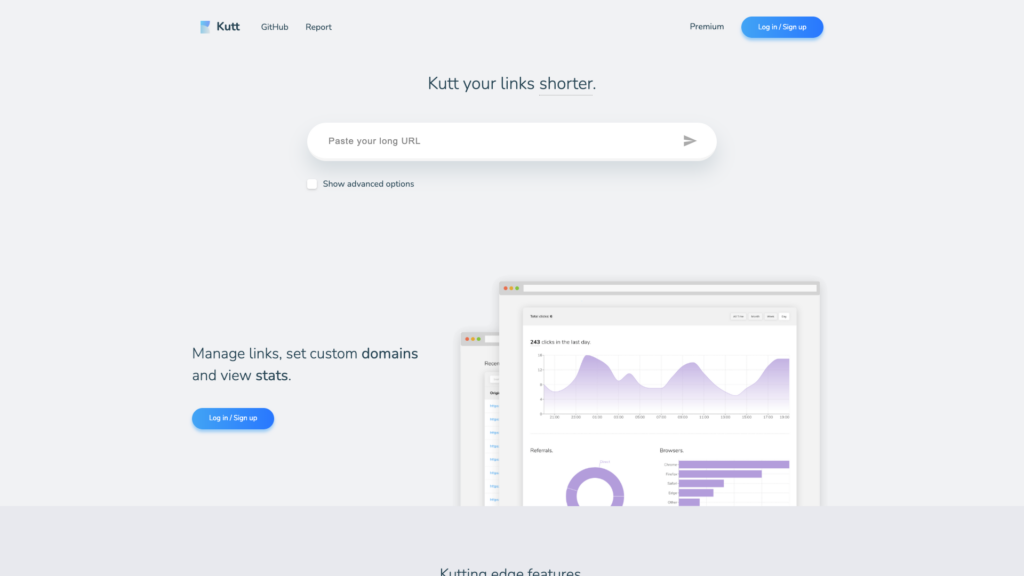
Kutt is known for its modern interface, support for branded domains, analytics, password protection, and expiration settings, appealing to users looking for a contemporary solution.
Shlink
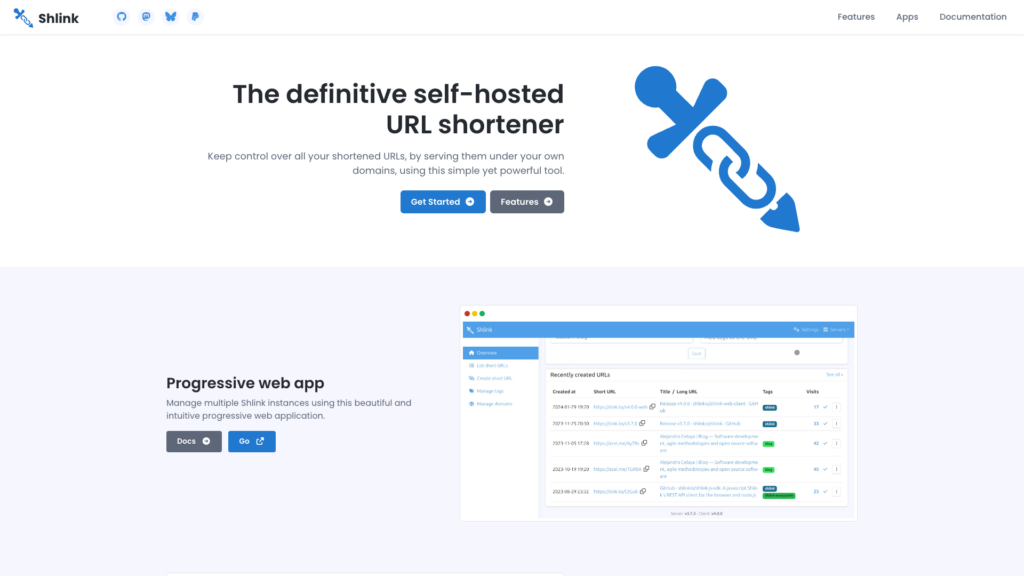
Shlink is popular with developers requiring deep integration capabilities with its API-focused design, making it easy to incorporate into existing workflows.
Polr
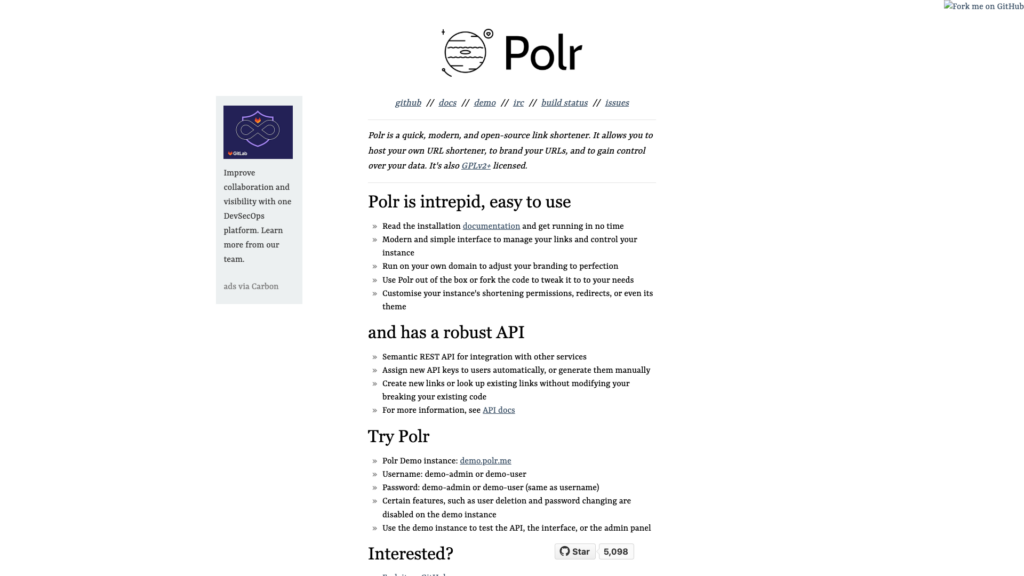
Polr stands out for its simplicity and lightweight deployment, offering straightforward URL shortening without unnecessary complexity.
Dub
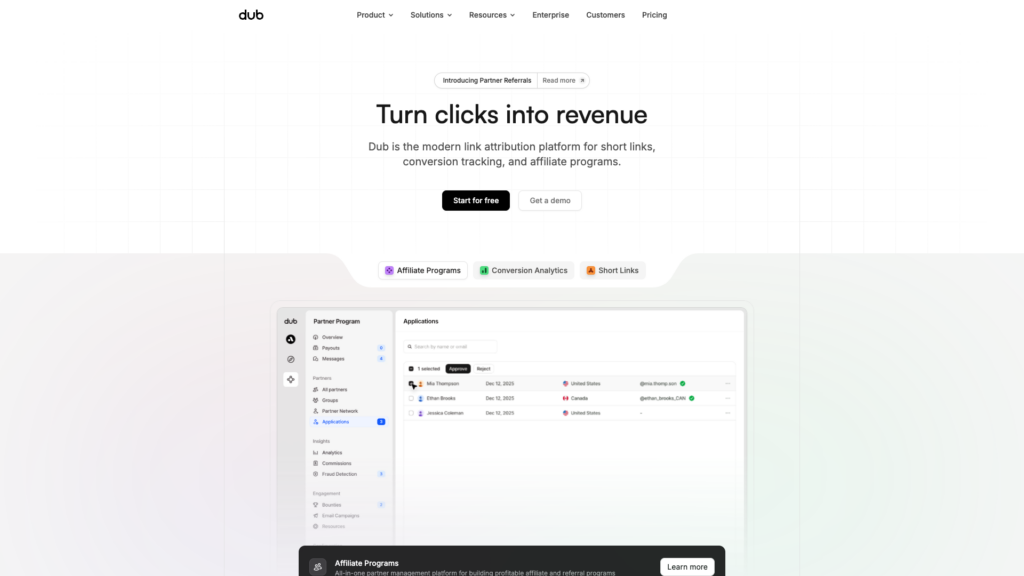
Dub not only shortens URLs but also provides marketing-oriented features such as enhanced analytics and campaign tracking.
Features That Matter Most
When selecting an open source link shortener, consider these features based on your needs:
Analytics and Reporting
Gain insight into link performance and user engagement to guide future marketing and operational strategies.
Custom Domains
Custom domains improve branding and instill trust by avoiding generic URLs.
API Access
API functionality is key for automating workflows and integrating link management with other business applications.
User Management
Access controls ensure that team members can use the system securely without exposing administrative privileges unnecessarily.
Link Expiration and Redirect Rules
Advanced redirect features enable temporary campaigns, scheduled updates, or automatic retirement of outdated URLs.
Integrations and Automation
Smooth integration with analytics platforms, automation tools, and business applications increases operational efficiency.
Self Hosted vs Cloud-Based Link Management

Choosing between a self hosted and a cloud-based link shortener involves balancing simplicity with control.
- Cloud-based solutions are easy to deploy and maintain, handling updates and security internally.
- Self hosted platforms give you greater data ownership, customization, and privacy control, though they require more maintenance.
For many organizations, the advantages of increased control justify the extra maintenance efforts.
Challenges and Considerations Before Deployment
Before deploying a self hosted link shortener, consider the following challenges:
Server Maintenance
Ongoing updates, monitoring, and troubleshooting are needed to ensure server reliability.
Security Responsibilities
Enhanced security measures including strong authentication and regular updates are essential to safeguard your environment.
Managing Growth
Plan for future expansion to ensure that your infrastructure can handle rising link inventories and analytics data.
Ensuring Link Reliability
A stable infrastructure, along with regular backups and monitoring, ensures the long-term reliability of your shortened URLs.
Choosing the Right Solution for Your Needs

Each self hosted link shortener has unique strengths:
- Beginners might choose Kutt for its ease-of-use and modern interface.
- Developers needing powerful API integrations might prefer Shlink.
- Those seeking a longstanding, proven solution may lean toward YOURLS.
- Businesses emphasizing marketing analytics might find Dub the most suitable option.
For additional insights on expanding your self hosted services, consider exploring Self Hosted WordPress Website: Build, Control, and Customize Your Own Site, which offers guidance on managing scalable self hosted applications.
Conclusion
Self hosted link management gives you full ownership of your digital infrastructure, improving flexibility, branding, and security. Although cloud-based solutions offer convenience, owning your link shortener can be a strategic long-term investment.
Tools such as YOURLS, Kutt, Shlink, Polr, and Dub each deliver distinct benefits that cater to different operational needs. The right choice depends on your goals, technical capabilities, and willingness to handle maintenance. By evaluating both the advantages and responsibilities, you can decide if a self hosted link shortener is the best fit for your organization.
At VPSus, we offer the reliable infrastructure necessary for self hosted applications like URL shorteners. Our plans include full root access, KVM virtualization, and consistent performance, enabling you to deploy and scale your link management system with confidence.
Frequently Asked Questions
What is a self hosted link shortener?
What are the benefits of a self hosted link shortener?
Which self hosted link shortener tools are most popular?
What infrastructure is required to run a self hosted link shortener?