
The best web hosting for developers is the one that gives you root access, a staging copy of production and a fixed monthly bill — which in 2026 means a KVM VPS for most solo developers and small teams, cloud instances when traffic is genuinely unpredictable, and shared hosting only for static portfolios. Below we compare the four hosting types on the things that actually change your workflow (SSH, CI/CD, staging, scaling, real monthly cost), review the providers developers use most, and give a plain recommendation per specialization.
Key Factors to Consider
Selecting the right web hosting solution requires careful evaluation of features that impact your development work. Here’s a deeper look at the factors that matter most:
Flexibility
Developers often work with diverse frameworks and programming languages, from Python and Node.js to Ruby and PHP. A hosting provider must support these technologies and allow custom configurations so you can tailor the server environment to your specific project. Flexibility also includes support for containerized environments like Docker and Kubernetes.
Performance
High uptime guarantees, low latency, and fast server response times are crucial, especially for testing environments or running live applications. Scalability is another essential factor; your hosting solution should handle increased traffic as your project grows. SSD-based storage and optimized servers can make a noticeable difference in performance.
Developer Tools
Access to SSH, Git integration, APIs, staging environments, and CI/CD tools simplifies coding, testing, and deployment. The availability of tools like cPanel or custom dashboards further streamlines server management.
Pricing
Developers often have to balance advanced features with budget constraints. Whether you’re an independent freelancer or part of a team, choosing the best web hosting for web developers ensures you can achieve your goals without overspending or compromising on essential features.
By keeping these factors in mind, developers can find hosting solutions that enhance productivity without compromising performance or cost.
Types of Web Hosting for Developers
Each hosting type has its advantages and drawbacks. Choosing the right one depends on the scale and complexity of your project. The table compares them on the criteria developers actually feel day to day:
| Criteria | Shared Hosting | VPS (KVM) | Cloud Instances | Dedicated Server |
|---|---|---|---|---|
| Root / SSH access | No (cPanel, FTP) | Full root | Full root | Full root |
| Runtimes you can install | Host-defined (PHP, sometimes Node) | Anything: Node, Python, Go, Docker, databases | Anything | Anything |
| Staging environment | Plugin-based or none | Second VPS or Docker Compose on the same box | Clone an instance/snapshot | Separate VM on the box |
| CI/CD fit | Deploy via FTP/Git hooks only | SSH deploys, runners, Docker registries | Native with provider APIs and IaC | Same as VPS |
| Scaling | None | Vertical resize (minutes, reboot) | Vertical + horizontal, automatic | Hardware upgrade (days) |
| Billing model | Fixed, cheap, renews higher | Fixed monthly, predictable | Hourly, plus bandwidth/egress fees | Fixed monthly, premium |
| Typical cost (2–4 vCPU dev box) | $3–$15 / month | $10–$40 / month | $25–$60 / month before egress | $100+ / month |
| Best for | Portfolios, static sites, first WordPress site | Apps, APIs, self-hosted tools, staging + production on a budget | Spiky traffic, multi-region, teams already on IaC | Databases and workloads that need the whole machine |
Shared Hosting
Shared hosting is an entry-level option where multiple users share resources on the same server. It’s best for small-scale projects or beginner developers working on personal websites. Shared hosting can be the best web hosting for web developers who are just starting out or working on small-scale personal projects. While it’s cost-effective, the trade-offs include limited performance, restricted customizability, and potential slowdowns caused by resource-hogging neighbors.
VPS Hosting
Virtual Private Servers offer a middle ground between shared and dedicated hosting. Developers get dedicated resources, root access, and the ability to configure their environments. VPS hosting is ideal for developers running multiple applications, experimenting with custom frameworks, or handling moderate traffic loads.
Dedicated Servers
For enterprise-level projects or high-traffic applications, dedicated servers provide unmatched performance and complete control over the hardware. Developers can configure the server to their exact specifications. However, this option requires advanced technical knowledge and comes at a significantly higher cost.
Cloud Hosting
Cloud hosting is highly scalable and reliable, making it a favorite among developers managing dynamic applications. Cloud hosting is often regarded as the best web hosting for developers managing applications that require flexible scaling and high availability. Resources are distributed across a network of servers, ensuring high availability.
Top Hosting Providers for Developers
Choosing the right hosting provider is a critical step for developers. Each of the following providers stands out as offering some of the best web hosting for developers, depending on your specific needs and priorities:
DigitalOcean
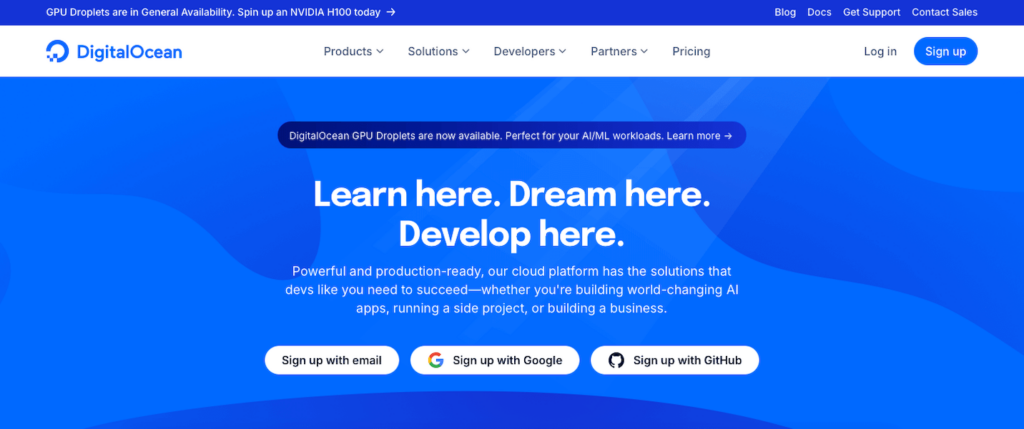
DigitalOcean is a go-to platform for developers looking for simplicity and performance. Its droplets—scalable virtual machines—are easy to deploy and support a range of operating systems and applications. DigitalOcean’s API lets developers automate tasks like scaling resources or managing backups. Combined with a massive library of tutorials, it empowers developers of all skill levels to launch and manage their projects effortlessly.
Linode
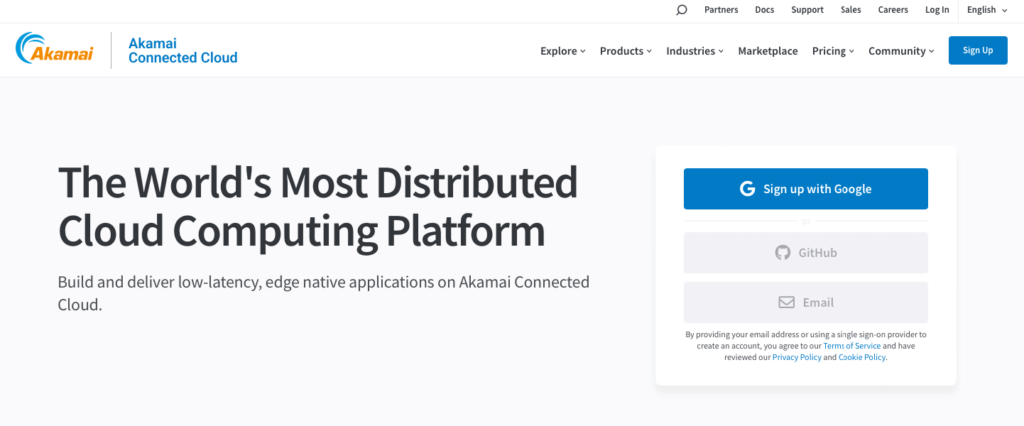
Linode is built for developers who want full control over their hosting environments. Its intuitive cloud manager and support for multiple Linux distributions make it ideal for experienced developers. Linode also shines with its flat-rate pricing model, which eliminates unexpected costs while still providing high-performance servers optimized for speed. Additionally, the inclusion of DDoS protection and a comprehensive support team enhances its appeal.
AWS (Amazon Web Services)
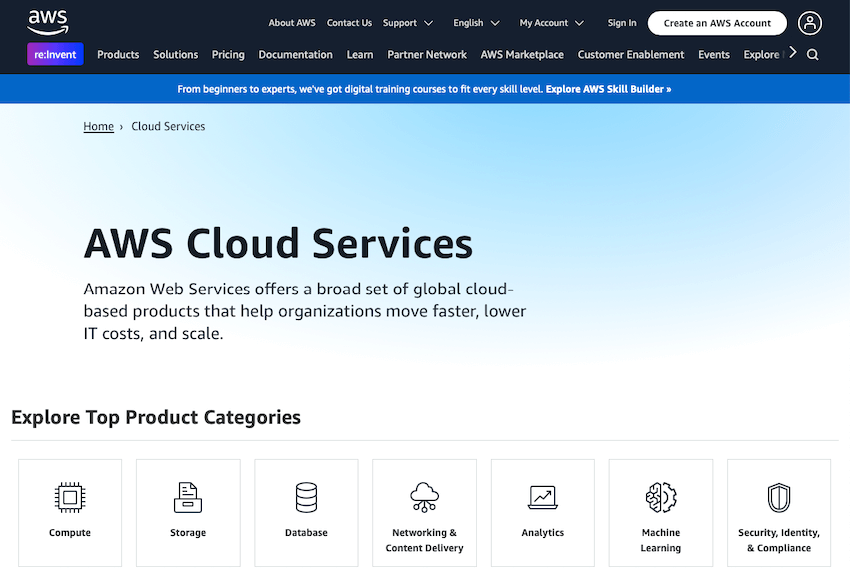
AWS is unparalleled in its range of services, offering everything from simple virtual servers (EC2) to advanced tools for AI, data analytics, and machine learning. Developers can choose from over 200 services, making it the most versatile hosting option. AWS is often seen as the best web hosting for developers handling complex, large-scale projects or global deployments.
Vultr
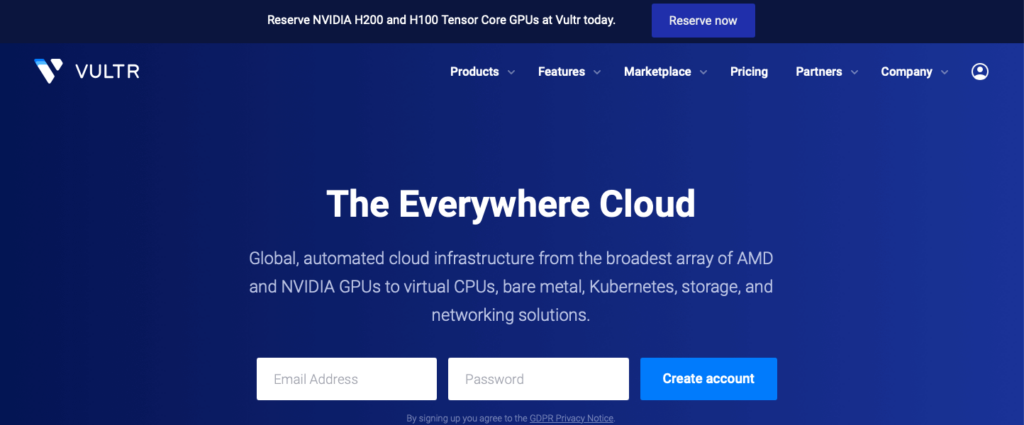
Vultr combines high-speed performance with a developer-friendly interface. Its marketplace of pre-configured environments allows developers to launch apps quickly, whether it’s WordPress, Docker, or LAMP stacks. With data centers in over 20 locations worldwide, Vultr ensures low latency and high availability for global audiences. Vultr’s balance of performance, ease of use, and affordability makes it one of the best web hosting options for developers working independently or in small teams.
A2 Hosting

A2 Hosting prioritizes speed with its Turbo Servers, promising up to 20x faster performance. It caters to developers by offering SSH access, Git integration, and staging environments to simplify deployment workflows. A2 Hosting supports a wide range of programming languages, including PHP, Python, and Ruby, making it a versatile option for various development needs. For developers prioritizing speed and versatility, A2 Hosting is often regarded as one of the best web hosting for web developers.
VPS.us (The Flexible Choice)

VPS.us is a standout choice for developers who need flexibility, control. and edge VPS hosting abilities. With scalable VPS plans from 17 locations, full root access, and high-speed SSD storage, it’s a developer-friendly platform built for demanding projects. VPS.us supports custom configurations and offers robust performance for running applications, testing frameworks, or managing databases. For developers looking for reliable and powerful hosting, VPS.us is a top contender.
Hosting Features Developers Should Look For
The features offered by your hosting provider can significantly impact your workflow. Here are the essentials every developer should prioritize:
- Support for Multiple Languages: Ensure the hosting provider supports all programming languages and frameworks you work with, including PHP, Python, Ruby, and Node.js.
- Development Tools: Look for providers offering Git, Docker, SSH access, staging environments, and support for CI/CD pipelines to streamline workflows. On a VPS you build this yourself — see our guide to setting up a software development server for a staging-and-runner layout that fits on one machine.
- Customizability: The ability to modify server settings, install packages, and create custom environments is crucial for advanced development.
- Database Support: Ensure robust database options like MySQL, PostgreSQL, and MongoDB are available to handle backend needs.
- Scalability: The best web hosting for web developers should allow you to easily scale resources up or down as your project evolves.
Recommendations for Specific Developer Needs
Choosing the best web hosting for developers often depends on their specialization, whether it’s backend, frontend, or mobile app development:
- Backend Developers: Focus on hosting with strong server-side language support, robust database options, and APIs for seamless integration.
- Frontend Developers: Prioritize hosting with fast CDN integration, support for static site generators, and staging tools for previewing changes.
- Mobile App Developers: Opt for cloud hosting solutions that offer flexibility, scalability, and API support for backend management.
What a Developer Setup Really Costs per Month
Comparisons usually stop at “VPS is cheaper, cloud scales.” The numbers matter more than the slogan, because a developer rarely needs one server: a realistic setup is production plus a staging box, and often a CI runner. The table uses published list prices at the time of writing for a 2 vCPU / 4 GB class machine — verify current pricing, but the ratios have been stable for years.
| Setup | KVM VPS | Cloud instance (DigitalOcean / Linode / Vultr class) | Hyperscaler on-demand (AWS t3.medium class) |
|---|---|---|---|
| Production, 2 vCPU / 4 GB | $10–$24 | $24 | ≈ $30 + storage |
| Staging (same size, can be smaller) | $10–$12 | $24 (or $12 for 2 GB) | ≈ $30 (or stop it when idle) |
| Bandwidth | Usually a large or unmetered allowance included | 1–4 TB pooled, then per-GB | Egress billed per GB from the first ~100 GB |
| Monthly total for prod + staging | $20–$36 | $36–$48 | $60+ and variable |
| Where it wins | Predictable bill, no egress surprises, full root | Snapshots, APIs, managed databases one click away | Global regions, autoscaling, the widest managed-service catalog |
If your traffic is steady and you know your stack, a Linux VPS in the $10–$20 range covers production and a staging copy for less than a single cloud instance. Move to cloud pricing when you need autoscaling or managed databases badly enough to pay the egress premium — not before.
Final Words
The right web hosting solution can transform your development workflow. Developers need platforms that offer flexibility, powerful tools, and performance to meet their unique requirements. Whether you’re managing small-scale projects or enterprise-level applications, choosing the right hosting provider ensures a smoother and more productive development process.
Take Your Development to the Next Level with VPS.us
For developers seeking the best web hosting for web developers, the KVM4-US Plan from VPS.us is an excellent choice. With 4 vCPU cores, 8 GB of RAM, and 150 GB of high-speed SSD storage, this plan is designed for handling complex development projects and resource-intensive applications. It also includes full root access, allowing you to customize configurations to meet your exact requirements. Whether you’re testing frameworks, managing databases, or deploying applications, VPS.us ensures your projects run seamlessly. Choose VPS.us today and unlock the potential of your development workflow.
Frequently Asked Questions
Is VPS or cloud hosting better for developers?
What hosting do I need for staging and test servers?
Do developers need root access for a typical web application?