
Linux web hosting means your site runs on a Linux server – the platform behind roughly 57% of all websites whose operating system is known. It is the default for a simple reason: no per-server licence fees, mature tooling (apt/dnf, SSH, cron) and strong built-in security. The real decision for a business or a developer is not Linux versus something else – it is shared Linux hosting versus a Linux VPS, and where that line sits for you. This guide covers the benefits, the features to look for, the hosting types and how to choose, so you can pick the right setup for your requirements.
What is Linux Web Hosting?
Linux web hosting is a service that uses Linux, an open-source operating system, as the foundation for hosting websites and applications. Unlike proprietary systems like Windows, Linux offers a free, customizable environment. This flexibility allows developers to build, deploy, and manage applications efficiently without the constraints of licensing fees or rigid configurations.
Key differences between Linux and Windows hosting include cost, compatibility, and control. Linux hosting excels in supporting popular programming languages like PHP, Python, Ruby, and Perl, making it an excellent choice for dynamic applications. It is also commonly used for applications that rely on MySQL and other open-source databases, making it a go-to choice for content management systems (CMS) like WordPress, Joomla, and Drupal.
Whether you are building a personal blog, launching an e-commerce site, or running enterprise-level applications, a Linux web hosting server provides a robust, reliable platform tailored to your needs.
Key Benefits of Linux Web Hosting
Linux web hosting provides a range of advantages that make it a preferred choice for developers and businesses of all sizes. Its open-source nature, combined with its adaptability and security, ensures a reliable platform for hosting diverse projects. Below are some of the key benefits that set Linux hosting apart:
Cost-Effectiveness
Linux’s open-source nature eliminates licensing fees, reducing hosting costs significantly. This affordability makes it accessible for startups, small businesses, and even large enterprises seeking cost-efficient solutions without sacrificing quality.
Flexibility
Linux supports a variety of programming languages and frameworks, including PHP, Python, Ruby, and Node.js, offering developers the freedom to choose tools that best fit their project requirements. It also allows for easy integration with various applications and technologies.
Security
Linux’s robust permissions system and community-driven updates make it one of the most secure operating systems. With regular patches and a proactive global community, it remains resilient against malware, hacking attempts, and other cyber threats.
Performance
Linux is optimized for high-speed hosting, ensuring seamless server operation and faster load times for hosted websites. Its lightweight architecture allows efficient resource management, even under heavy traffic.
Community Support
The extensive global Linux community provides a wealth of resources, including forums, detailed documentation, and tutorials, to assist users in resolving technical issues and optimizing performance.
Features to Look for in Linux Web Hosting Providers
When selecting a Linux server hosting provider, ensure they offer the following features:
Control Panels
Popular options like cPanel and Plesk simplify hosting tasks, enabling users to manage files, databases, and domains easily. Some providers also offer proprietary control panels that may include additional features tailored to their services.
Server Management Options
Decide between managed hosting (for users needing technical support and maintenance) or unmanaged hosting (ideal for advanced users who want full control over their servers).
Scalability
Look for hosting plans that can accommodate growth in traffic or resource demands. Providers offering cloud hosting often provide the most scalable solutions, ensuring seamless transitions as your needs evolve.
Operating System Options
Providers should support popular Linux distributions like CentOS, Ubuntu, and Debian. The choice of distribution often depends on your project’s specific requirements, with each offering unique features and benefits.
Uptime Guarantees
High availability is essential for any hosting solution. Ensure the provider guarantees an uptime of 99.9% or higher to minimize disruptions to your website or application.
Support for Databases
Ensure compatibility with widely used open-source databases like MySQL, PostgreSQL, and MariaDB. These databases are critical for managing and storing data efficiently.
Programming Language Support
Confirm that the hosting environment supports essential programming languages such as PHP, Python, and Node.js to ensure compatibility with your development needs.
Customer Support
Choose a provider with round-the-clock customer support that is well-versed in Linux hosting. Knowledgeable support teams can help resolve issues quickly and prevent prolonged downtime.
Types of Linux Hosting
Linux hosting services come in several forms, each catering to different use cases and technical expertise levels:
- Shared Hosting: This is the most affordable option, where multiple users share resources on a single server. Shared hosting is ideal for small websites, personal projects, and beginners who require basic hosting capabilities without the complexity of server management.
- VPS Hosting: Virtual Private Server (VPS) hosting offers more control and dedicated resources than shared hosting. It is suitable for growing businesses or developers requiring enhanced customization, scalability, and performance.
- Dedicated Hosting: Dedicated hosting provides exclusive access to a server, giving you complete control over the hardware and software environment. This option is best for resource-intensive applications, large-scale websites, and organizations with specific security or compliance requirements.
- Cloud Hosting: Cloud hosting leverages multiple servers to distribute resources, ensuring reliability and scalability. This approach is ideal for projects with fluctuating traffic, offering flexibility and redundancy to maintain optimal performance.
Shared Hosting or Linux VPS: Which Do You Actually Need?
Both run Linux. The difference is isolation and control: on shared hosting you share one operating system and its resources with hundreds of other sites; on a VPS you get a fenced-off slice with your own root access. Here is the honest split:
| Factor | Shared Linux Hosting | Linux VPS |
|---|---|---|
| Best for | Brochure sites, small blogs, first launches | Growing business sites, apps, developer projects |
| Root access | No – control panel only | Yes – full root, install anything |
| Isolation | Shared OS and resources (noisy-neighbour risk) | KVM isolation – dedicated vCPU and RAM |
| Scales to | Modest, steady traffic | Traffic spikes, custom stacks, several apps |
| Starting cost | A few dollars a month | From $10/mo (KVM1) |
Shared hosting is the right starting point – until it is not. Move to a Linux VPS when you hit any of these:
- You need root: a specific PHP, Node or Python version, a custom Nginx build, Docker, or a background worker that shared hosting will not allow.
- Noisy neighbours slow you down: your site stalls at peak hours because another account on the same box is hammering the CPU. KVM isolation fixes this – your cores are yours.
- You run more than a website: a staging copy, a database-heavy app, a CI runner, or several client sites you want isolated from each other.
- Location or compliance matters: you need the server in a specific region (VPS.us runs 17 locations) or full control over the security stack.
If most of those describe you, you have outgrown shared hosting. An affordable Linux VPS adds root access and isolation without a big jump in cost.
For the full setup – distribution choice, web server, database and hardening – see our ultimate guide to Linux hosting.
Top Linux Hosting Providers
Hostwinds

Hostwinds provides versatile Linux hosting options tailored to small businesses and startups. With plans starting at competitive prices, they offer robust features such as cPanel, support for multiple Linux distributions, and responsive customer support. Hostwinds combines affordability with reliability, making it a dependable choice for budget-conscious users.
Kamatera

Kamatera is renowned for its high-performance cloud hosting solutions. They allow users to select from various Linux distributions and customize their hosting environment to meet specific needs. With a pay-as-you-go pricing model, Kamatera is an excellent choice for businesses prioritizing flexibility and scalability.
A2 Hosting

A2 Hosting excels in speed-focused Linux server hosting plans. Their Turbo Servers are designed for enhanced performance, reducing load times significantly. A2 Hosting supports a wide range of programming languages and frameworks, making it a preferred option for developers seeking optimized environments.
InMotion Hosting
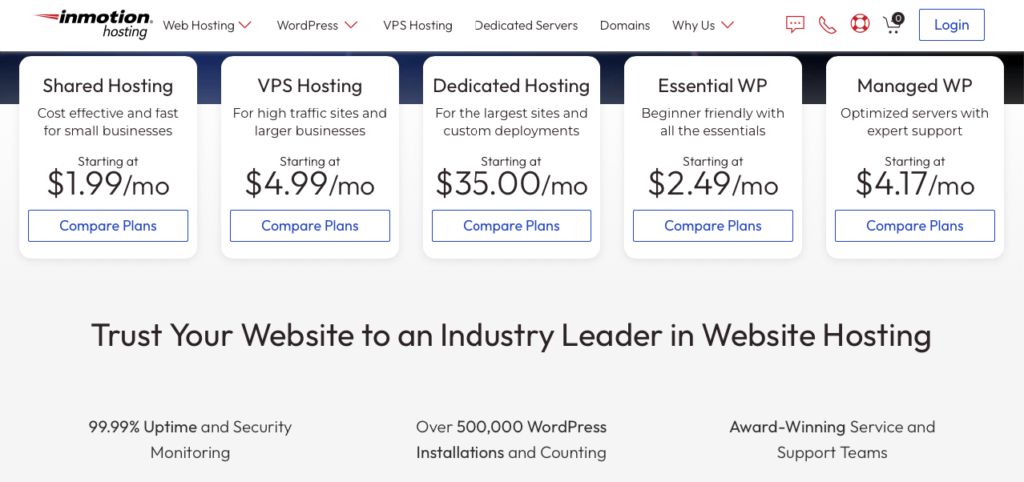
InMotion Hosting offers comprehensive Linux hosting plans with robust uptime guarantees and stellar customer support. Their solutions cater to developers and businesses aiming for reliability, efficiency, and seamless scalability.
VPS.us

VPS.us delivers affordable Linux hosting services with advanced configurations tailored to diverse business needs. Their scalable plans support popular Linux distributions and tools, ensuring efficient project deployment. The KVM2-US plan stands out for its affordability, robust performance, and ease of scaling, making it an excellent choice for growing enterprises.
How to Choose the Best Linux Hosting Provider
Selecting the right Linux hosting provider requires careful evaluation of the following:
- Technical Expertise: Assess whether you need managed hosting (where the provider handles server maintenance) or unmanaged hosting (giving you full control over configurations).
- Budget: Compare pricing plans across providers, including hidden costs such as renewal fees or add-ons. Ensure you’re getting value for your investment.
- Scalability: Opt for a provider with flexible upgrade options to accommodate future growth, especially if you anticipate increased traffic or resource demands.
- Performance and Uptime: Read reviews and look for uptime guarantees of 99.9% or higher to ensure consistent availability and performance.
- Customer Support: Prioritize providers offering 24/7 Linux-specific support to address technical challenges quickly and effectively.
Common Challenges with Linux Hosting
While Linux hosting offers numerous advantages, it does come with challenges that require attention:
Learning Curve
For beginners, Linux may seem complex, particularly with unmanaged hosting plans. However, abundant resources like forums, guides, and tutorials can help bridge the knowledge gap.
Manual Configurations
Unmanaged hosting often requires manual server setup and maintenance, which can be time-consuming for users unfamiliar with command-line interfaces.
Balancing Cost and Features
Identifying the right mix of affordability and advanced features can be difficult. Evaluating multiple providers and prioritizing essential features can simplify this process.
By proactively addressing these challenges, you can maximize the benefits of Linux hosting and achieve a stable, efficient hosting environment.
Tips for Maximizing Your Linux Hosting Experience
- Optimize Resources: Implement caching mechanisms, optimize code, and use lightweight applications to enhance performance and reduce server load.
- Regular Updates: Keep your Linux distribution, applications, and security software up-to-date to mitigate vulnerabilities and maintain stability.
- Monitor Performance: Use monitoring tools to track server metrics like CPU usage, memory consumption, and response times, addressing potential issues before they escalate.
- Leverage Community Support: Engage with Linux forums and communities to learn best practices, troubleshoot issues, and stay informed about the latest developments.
Final Words
Linux web hosting servers offer unparalleled flexibility, security, and cost-effectiveness, making it a top choice for developers and businesses. By understanding the different hosting options and evaluating providers carefully, you can find the perfect solution for your needs. The providers mentioned above offer excellent starting points, catering to a range of projects and budgets.
VPS.us: Your Ideal Partner for Linux Web Hosting
At VPS.us, we specialize in delivering tailored Linux hosting solutions to meet diverse business needs. Our KVM2-US plan provides seamless compatibility with popular Linux distributions, robust performance, and unmatched scalability. Whether you’re running a personal project or a growing enterprise, our hosting solutions are designed to power your success. Explore our plans today and experience hosting that evolves with your ambitions.
Frequently Asked Questions
Can I host a website on a Linux VPS?
What is Linux web hosting?
Is Linux hosting better for developers?
How much does Linux web hosting cost?
Shared hosting or VPS - which should a business choose?